
Shrimp Fried Rice
Shrimp fried rice transforms humble leftover rice into a restaurant-quality meal that’s both satisfying and surprisingly quick to prepare.
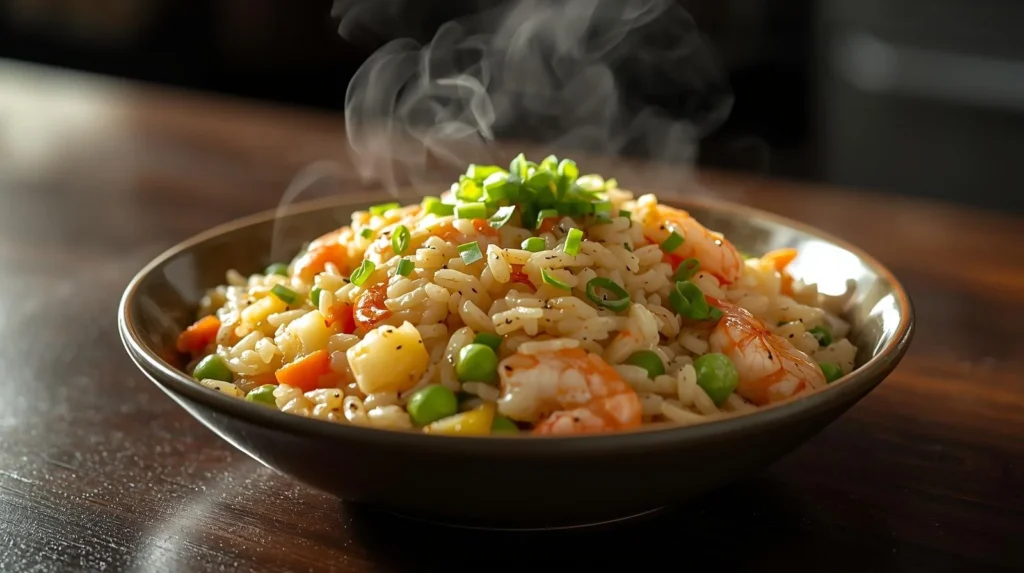
This beloved dish combines tender prawns with perfectly seasoned rice, creating a harmonious balance of flavours and textures that’s made it a staple in Chinese cuisine worldwide.
The secret to exceptional authentic Chinese shrimp fried rice recipe lies in using day-old rice, which prevents the grains from becoming mushy during the high-heat cooking process.
Professional chefs know that fresh rice contains too much moisture, whilst properly aged rice maintains its structure and absorbs the wok’s intense heat beautifully.
What makes this dish particularly appealing is its versatility—you can customise it with whatever vegetables you have on hand, making it an excellent way to use up odds and ends from your fridge.
The cooking technique itself is straightforward, yet mastering the timing and heat control elevates this simple dish from good to extraordinary.
Ready to create your own takeaway-quality shrimp fried rice at home? Let’s start by gathering everything you’ll need for this flavourful journey.
Ingredients You’ll Need
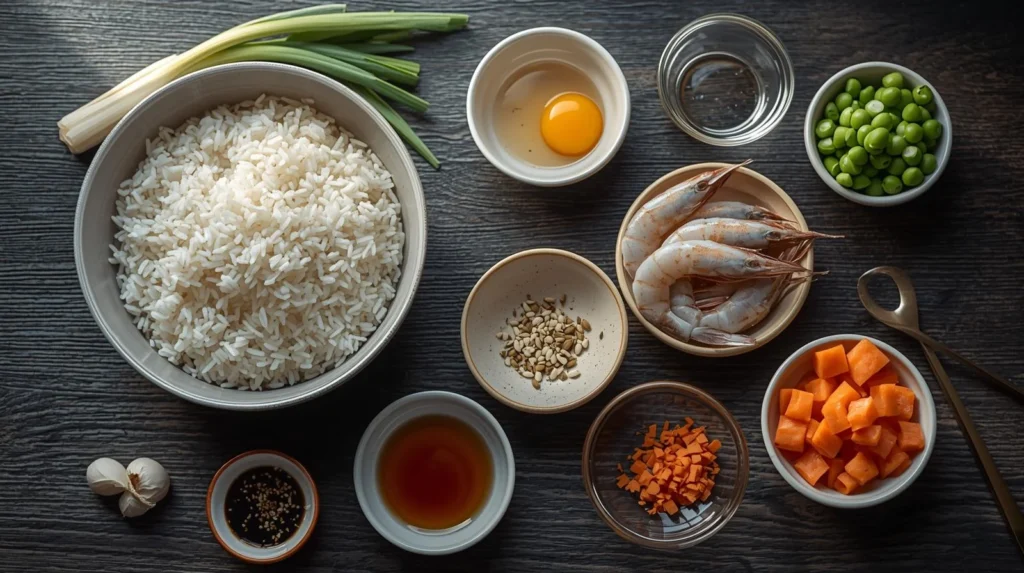
Creating exceptional fried rice with shrimp requires surprisingly few ingredients, but each plays a crucial role in achieving the perfect balance of flavours and textures. The beauty of this dish lies in its simplicity—you’ll likely have most ingredients already in your kitchen.
Essential ingredients include day-old jasmine or long-grain rice (fresh rice becomes mushy), medium prawns (peeled and deveined), eggs, soy sauce, and spring onions. For vegetables, frozen peas and diced carrots add colour and sweetness, whilst garlic and ginger provide aromatic depth.
The Japanese shrimp fried rice recipe variation incorporates mirin and sake for subtle sweetness, plus nori flakes for umami richness. Natasha’s Kitchen emphasises using high-quality soy sauce as it significantly impacts the final taste.
Quality matters tremendously—fresh prawns create better texture than frozen, whilst day-old rice prevents the dreaded mushy consistency that plagues many home attempts. Sesame oil adds the finishing touch that transforms ordinary fried rice into restaurant-quality perfection.
With these carefully selected ingredients assembled, you’re ready to create a dish that rivals your favourite takeaway.
Step-by-Step Guide to Making Shrimp Fried Rice
Creating an authentic shrimp fried rice recipe follows a precise sequence that builds layers of flavour and ensures proper texture. The key lies in understanding the order of operations and maintaining high heat throughout the cooking process.
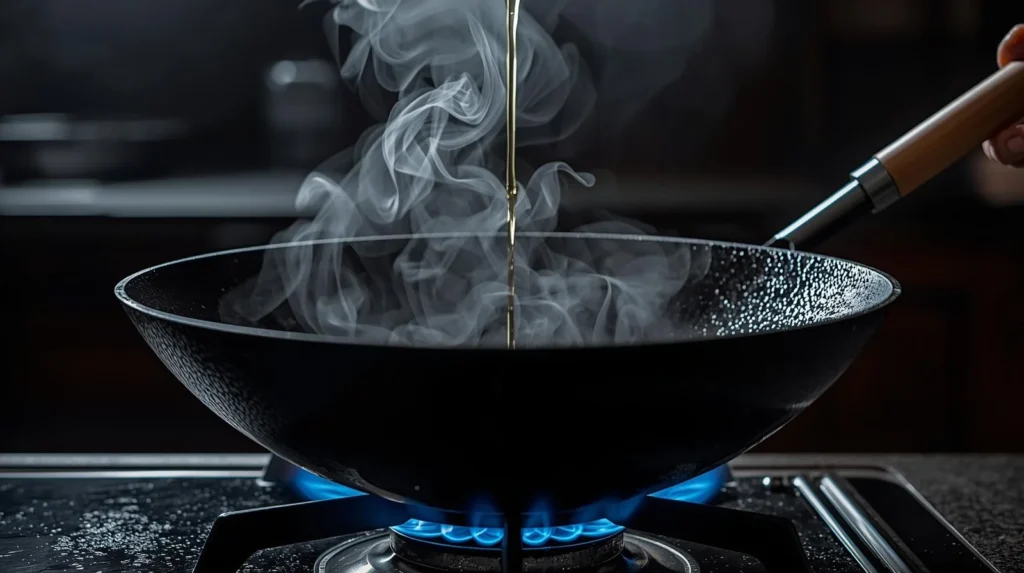
Prepare your workspace first. Heat your wok or large frying pan over high heat until it begins to smoke slightly. Add oil and immediately swirl to coat the entire surface. The wok should be hot enough that ingredients sizzle instantly upon contact—this creates the distinctive “wok hei” or breath of the wok that separates restaurant-quality fried rice from home versions.
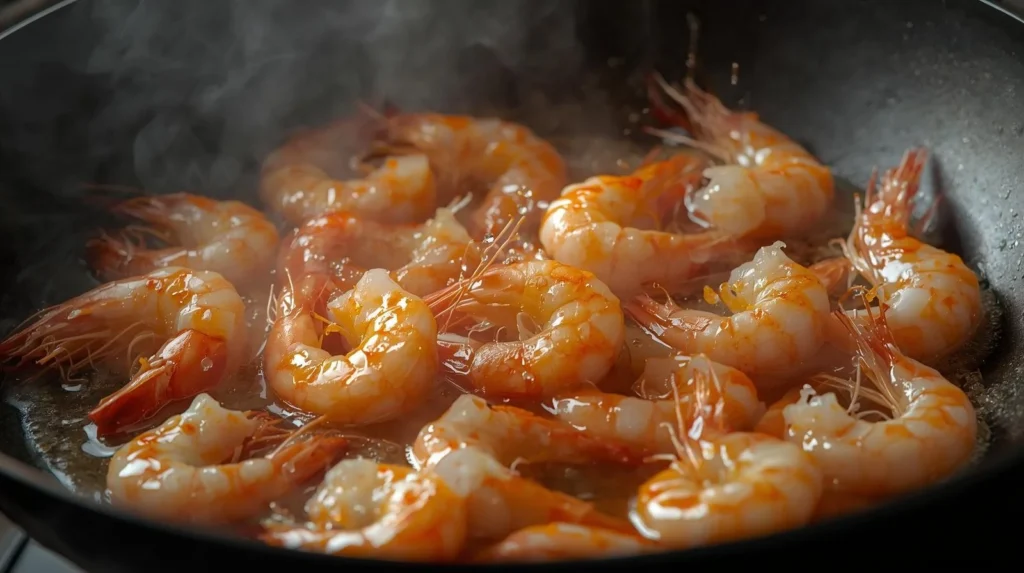
Cook the shrimp first, allowing them to develop a golden exterior before setting aside. Next, scramble your eggs until just set, creating soft, fluffy curds that will distribute throughout the rice. The shrimp fried rice Woks of Life method emphasises this technique for achieving restaurant-standard results.
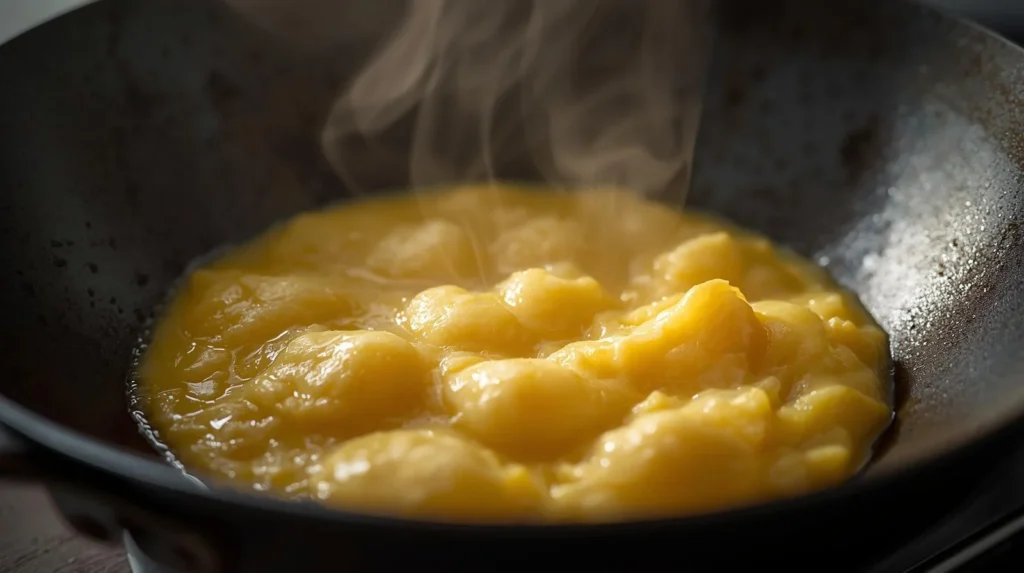
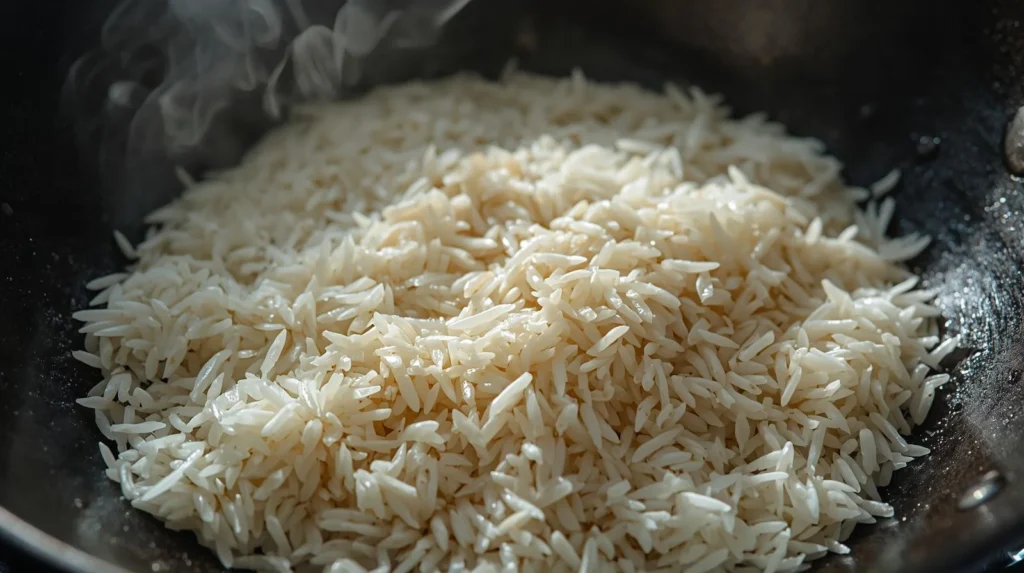
Add the cold rice last, breaking up any clumps with your spatula whilst tossing constantly. This prevents the rice from becoming mushy and ensures each grain remains separate. The entire cooking process should take no more than 5-7 minutes once you begin.
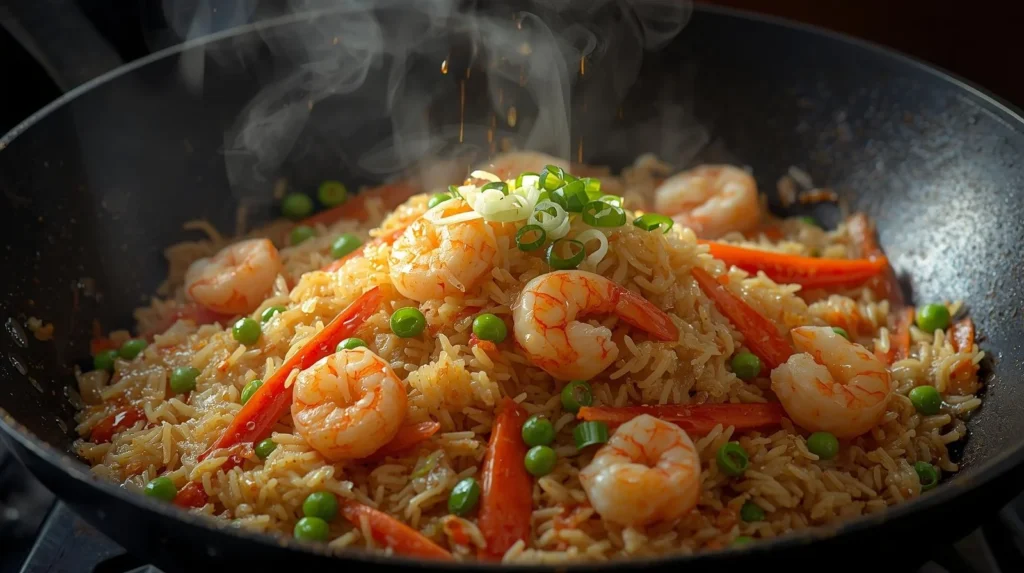
However, even with proper technique, several common pitfalls can derail your efforts—understanding these mistakes beforehand will save you considerable frustration.
Common Mistakes and How to Avoid Them
Even seemingly easy shrimp fried rice can fall victim to several common pitfalls that transform this beloved dish into a disappointing mess. Understanding these mistakes beforehand ensures consistent, restaurant-quality results every time.
Using freshly cooked rice ranks as the most frequent error home cooks make. Fresh rice contains excess moisture that creates a sticky, clumpy texture rather than the distinct, separate grains essential for proper fried rice. Day-old refrigerated rice provides the ideal texture and absorbs flavours more effectively.
Overcrowding the wok or pan represents another critical mistake that prevents proper heat distribution. When ingredients are packed too tightly, they steam rather than fry, resulting in soggy vegetables and unevenly cooked components. Cook in smaller batches if necessary to maintain high heat throughout the process.
Overcooking the shrimp transforms tender seafood into rubbery disappointment. Shrimp requires only 2-3 minutes of cooking time, and continuing to cook whilst other ingredients are added guarantees overcooking. Remove cooked shrimp temporarily and add back at the final stage.
Temperature control proves equally crucial—insufficient heat fails to create the characteristic “wok hei” flavour that distinguishes exceptional fried rice from mediocre versions.
Tricks For Best Fried Rice
- Beyond following a solid recipe, several professional techniques can elevate your shrimp fried rice from good to extraordinary.
- The wok hei – that distinctive smoky flavour from restaurant stir-fries – comes from maintaining extremely high heat throughout cooking. A blazing hot pan creates the characteristic charred edges on rice grains that define authentic fried rice.
- Temperature control remains the most critical factor. Each ingredient requires a specific heat level: eggs need medium-high to avoid overcooking, whilst rice demands maximum heat for proper searing.
- Adding cooked shrimp during the final minute prevents them from becoming rubbery, as they only need reheating rather than cooking.
- The layering technique separates professional results from home cooking failures. Aromatics go first, followed by eggs, then rice, vegetables, and finally proteins.
- This sequence ensures each component reaches its optimal texture without compromising others.
- Sauce distribution requires particular attention. Mix soy sauce with a small amount of rice wine or stock before adding – this prevents the sauce from concentrating in hot spots and creates more even colouring throughout the dish.
- These professional methods, combined with the foundation techniques we’ve covered, address most challenges home cooks encounter when recreating restaurant-quality results.
Lessons Learned: Creating a Successful Recipe
Developing a consistently successful shrimp fried rice recipe revealed several crucial insights that transform good intentions into exceptional results.
The most significant revelation was understanding that technique matters far more than exotic ingredients or complex preparations.
Cold rice emerged as the non-negotiable foundation for achieving the proper texture that separates restaurant-quality results from soggy disappointments.
Day-old rice that’s been properly refrigerated creates individual grains that maintain their integrity under high heat, preventing the mushy consistency that plagues many home attempts.
Temperature control proved equally critical, particularly when working with domestic hobs that rarely match the intense heat of professional wok stations.
The solution involves preheating equipment thoroughly and cooking in smaller batches rather than cramming everything into an overcrowded pan.
This approach ensures each ingredient receives proper searing whilst maintaining the dish’s characteristic wok hei flavour.
Perhaps most importantly, timing sequences make the difference between chaos and culinary success. The Perfect Shrimp Fried Rice Recipe demonstrates how professional kitchens orchestrate each element’s entry into the wok with precision timing that home cooks can absolutely replicate.
These fundamental principles create the foundation for mastering advanced techniques that elevate simple ingredients into restaurant-worthy results.
Frequently Asked Questions About Shrimp Fried Rice
Can I use fresh rice instead of day-old rice?
Fresh rice contains too much moisture and will create a mushy texture. If you must use fresh rice, spread it on a baking tray and refrigerate for at least 30 minutes to remove excess moisture before cooking.
What’s the best way to prevent scrambled eggs from becoming rubbery?
Keep the heat at medium-low when adding beaten eggs to the pan. Push the eggs gently with your spatula as they set, creating soft curds rather than letting them cook in one solid mass. Remove them from heat while still slightly wet, as residual heat will finish the cooking.
How do I know when the shrimp are properly cooked?
Shrimp cook quickly and turn pink with a slight curl when done. They should feel firm but not tough—overcooking makes them chewy. In a hot wok, medium shrimp typically need just 2-3 minutes total cooking time.
Why does my fried rice taste bland compared to restaurants?
Restaurant fried rice achieves its flavour through high heat and proper seasoning layering. Use light soy sauce for saltiness, dark soy sauce for colour, and a touch of sesame oil at the end. Don’t forget to taste and adjust seasoning before serving.
Sharing my Personal Recipe

Shrimp Fried Rice Recipe
- Total Time: 20 minutes
- Yield: 2 1x
Description
This shrimp fried rice recipe delivers authentic restaurant-style flavour using simple ingredients and high heat cooking. Made with day-old rice, juicy shrimp, eggs, and aromatics, it’s a fast, satisfying meal with perfectly separated grains and rich umami taste.
Ingredients
- 2 cups day-old jasmine or long-grain rice, cold
- 200 g medium shrimp, peeled and deveined
- 2 large eggs, lightly beaten
- 2 tablespoons neutral cooking oil (canola or peanut oil)
- 1 tablespoon high-quality soy sauce
- 1 teaspoon sesame oil
- ½ cup frozen peas
- ½ cup diced carrots
- 2 spring onions, finely chopped
- 2 cloves garlic, minced
- 1 teaspoon fresh ginger, grated
- Salt, to taste
- Black pepper, to taste
Optional Japanese-style enhancement:
- 1 teaspoon mirin
- 1 teaspoon sake
- Nori flakes for garnish
Instructions
- Heat a wok or large frying pan over high heat until lightly smoking. Add oil and swirl to coat the surface evenly.
- Add shrimp and cook quickly until lightly golden and just cooked through. Remove from the wok and set aside.
- Pour beaten eggs into the hot wok and scramble gently until soft curds form. Remove and set aside.
- Add garlic and ginger to the wok and stir briefly until fragrant.
- Add cold, day-old rice and toss continuously, breaking up any clumps so the grains stay separate.
- Add peas, carrots, cooked shrimp, and scrambled eggs. Toss over high heat to combine.
- Drizzle soy sauce around the edges of the wok and toss quickly to coat the rice evenly.
- Finish with sesame oil, spring onions, salt, and black pepper. Toss once more and remove from heat.
- Serve immediately while hot for best texture and flavour.
- Prep Time: 10
- Cook Time: 10
- Category: Rice Recipes
- Cuisine: Chinese
Nutrition
- Serving Size: 1
- Calories: 420 kcal
- Sugar: 4 g
- Sodium: 780 mg
- Fat: 14 g
- Saturated Fat: 3 g
- Carbohydrates: 45 g
- Fiber: 3 g
- Protein: 28 g
- Cholesterol: 185 mg



Best recipe!
Thank you!
Hiya, I am really glad I have found this information. Nowadays bloggers publish just about gossips and web and this is actually frustrating. A good site with interesting content, that’s what I need. Thank you for keeping this web-site, I’ll be visiting it. Do you do newsletters? Can not find it.