
Sugar Wax Recipe
Sugar wax recipe enthusiasts looking for a safe, natural, and cost-effective hair removal solution will find this method both reliable and skin-friendly. Made from simple, food-grade ingredients like sugar, fresh lemon juice, and water, this traditional waxing technique creates a smooth, sticky wax that removes hair efficiently while being gentle on sensitive skin.
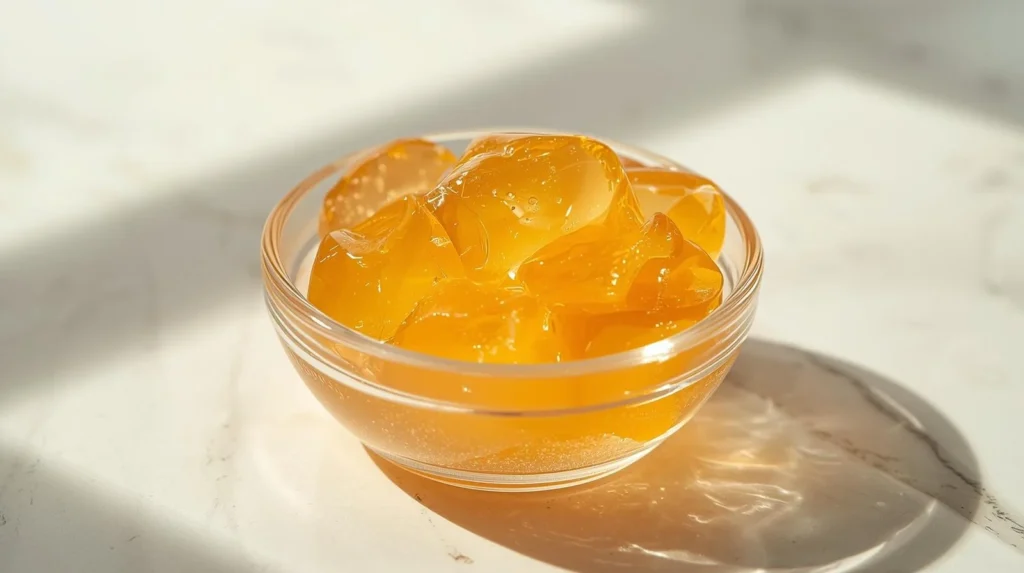
Widely used in professional beauty practices and recommended for its low irritation potential, sugar waxing supports healthier skin and fewer ingrown hairs when done correctly. This guide walks you through an expert-tested, easy-to-follow sugar wax recipe designed to deliver consistent, salon-quality results at home.
Introduction to Sugar Waxing
Sugar wax recipe is an essential topic to understand. Sugar waxing transforms three simple kitchen ingredients into a powerful hair removal solution that’s been trusted for over 4,000 years.
This ancient Egyptian technique uses nothing more than sugar, water, and lemon juice to create a paste that removes hair from the root while being gentler on skin than traditional waxing methods.
Unlike conventional wax that adheres to both hair and skin, sugar wax pulls only in the direction of hair growth, reducing the risk of ingrown hairs and skin irritation.
The water-soluble formula means easy cleanup with just warm water – no harsh chemicals or sticky residue left behind.
The beauty of a homemade sugar wax recipe lies in its simplicity and cost-effectiveness. A single batch costs pennies compared to salon treatments, and you control every ingredient that touches your skin.
Whether you’re dealing with sensitive skin, allergies to commercial products, or simply want a more natural approach to hair removal, sugar waxing offers a customizable solution.
Ready to master this time-tested technique? Let’s start by gathering the essential ingredients you’ll need to create your first batch of sugar wax.
What You’ll Need to Make Sugar Wax
Learning how to make sugar wax requires surprisingly few ingredients, most of which you likely already have in your kitchen pantry. The beauty of this natural hair removal method lies in its simplicity and accessibility.
Essential Ingredients:
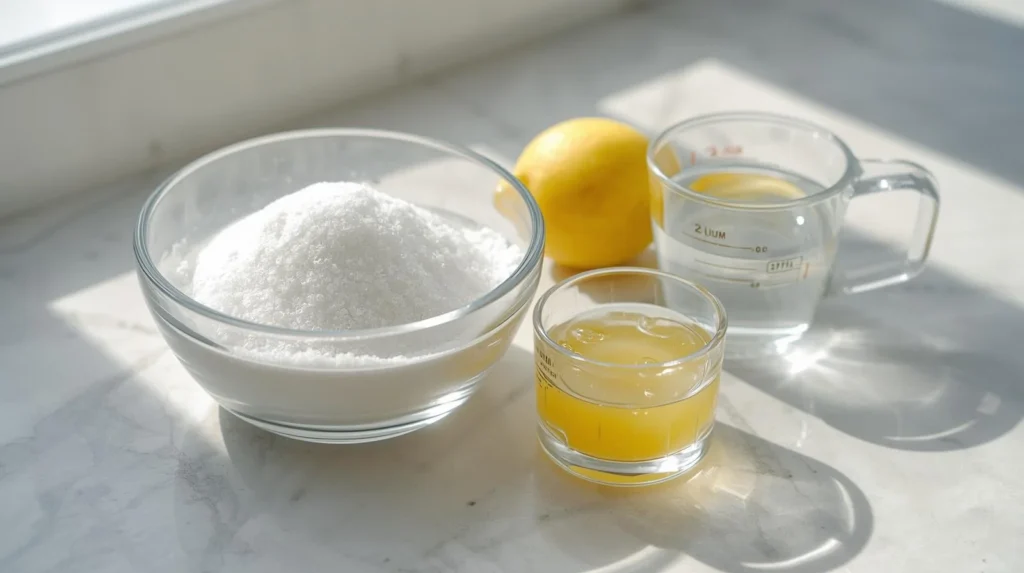
- 2 cups granulated white sugar – forms the base of your wax
- 1/4 cup fresh lemon juice – acts as a natural preservative and provides acidity
- 1/4 cup water – helps dissolve the sugar initially
Required Equipment:
- Heavy-bottomed saucepan to prevent burning
- Wooden spoon for stirring
- Candy thermometer (optional but recommended)
- Clean glass jar for storage
According to Healthline’s comprehensive guide, these basic ingredients create an effective hair removal solution that rivals commercial products. The lemon juice serves a dual purpose: it prevents crystallization while adding antimicrobial properties that help preserve your homemade wax.
Optional Additions: Some recipes suggest adding a tablespoon of honey for extra skin-soothing benefits, though the basic three-ingredient formula works perfectly for beginners.
With these simple materials gathered, you’re ready to transform ordinary kitchen staples into professional-quality sugar wax that costs a fraction of salon treatments.
Step-by-Step Sugar Wax Recipe
Creating your own DIY sugar wax follows a straightforward process that requires careful attention to timing and temperature. The key lies in achieving the perfect balance between cooking the mixture long enough to reach proper consistency while avoiding overcooking.
Basic Sugar Wax Recipe:
- 2 cups granulated sugar
- 1/4 cup fresh lemon juice
- 1/4 cup water
Begin by combining all ingredients in a heavy-bottomed saucepan over medium heat. Stir continuously until the sugar completely dissolves, then reduce heat to medium-low.
According to dermatological research, the mixture should reach a golden amber color similar to honey, which typically takes 15-25 minutes.
Critical cooking markers include watching for the mixture to bubble consistently and testing drops in cold water – properly cooked sugar wax forms a soft, pliable ball when cooled. The temperature should reach approximately 240°F (soft ball stage) for optimal hair removal effectiveness.
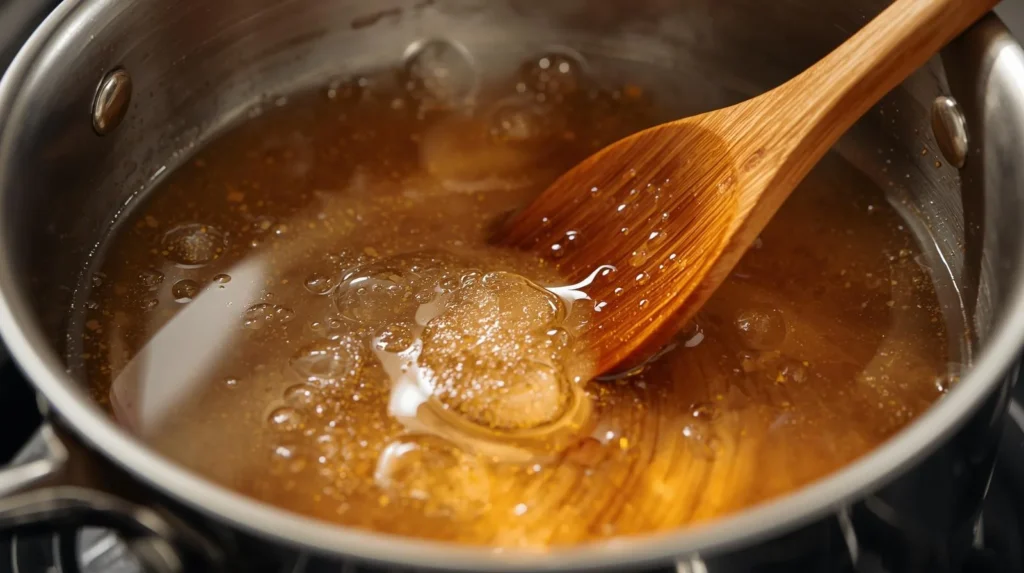
Once complete, remove from heat and allow cooling for 10-15 minutes before testing consistency. The finished product should have a taffy-like texture that’s moldable when warm but firm enough to grip hair effectively.
Perfecting the Sugar Wax Consistency
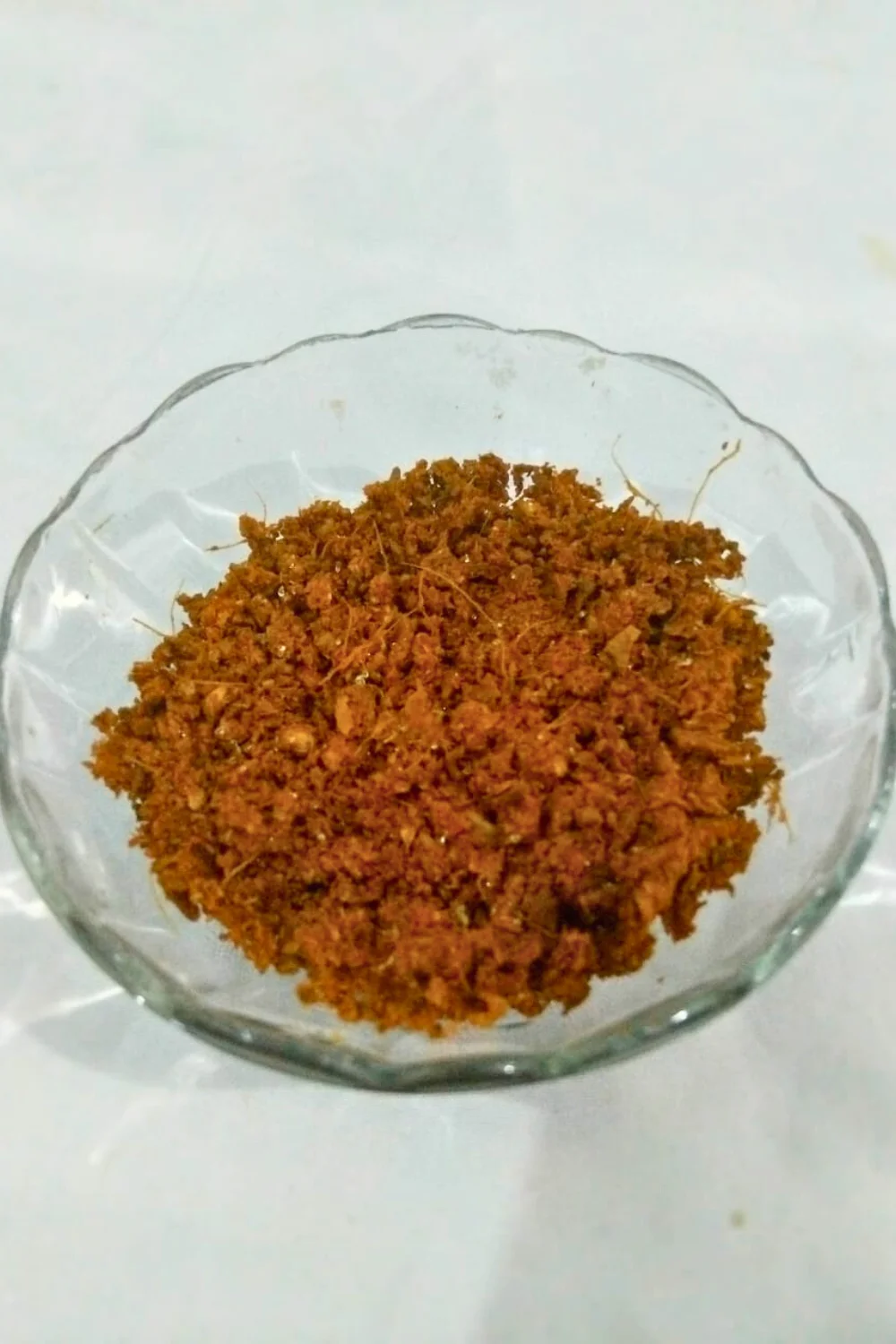
Achieving the ideal consistency is crucial for effective homemade sugar wax application. The perfect sugar wax should have a honey-like texture when warm—thick enough to grip hair but pliable enough to spread smoothly across the skin.
Temperature control proves essential, as overheating creates a brittle consistency that cracks during application, while underheating results in a sticky mess that won’t remove hair effectively.
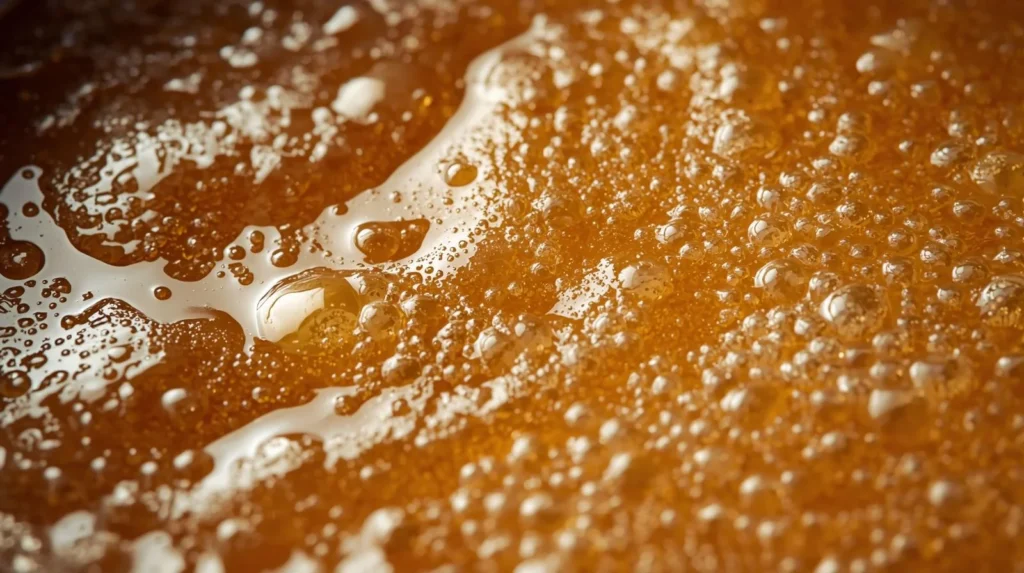
Visual cues indicate proper consistency: the mixture should form a soft ball when dropped into cold water, similar to candy-making techniques. If your wax appears too thick, gradually reheat while stirring. If it’s too thin, continue cooking until more water evaporates.
The ideal sugar wax stretches without breaking and maintains its shape when cooled to room temperature.
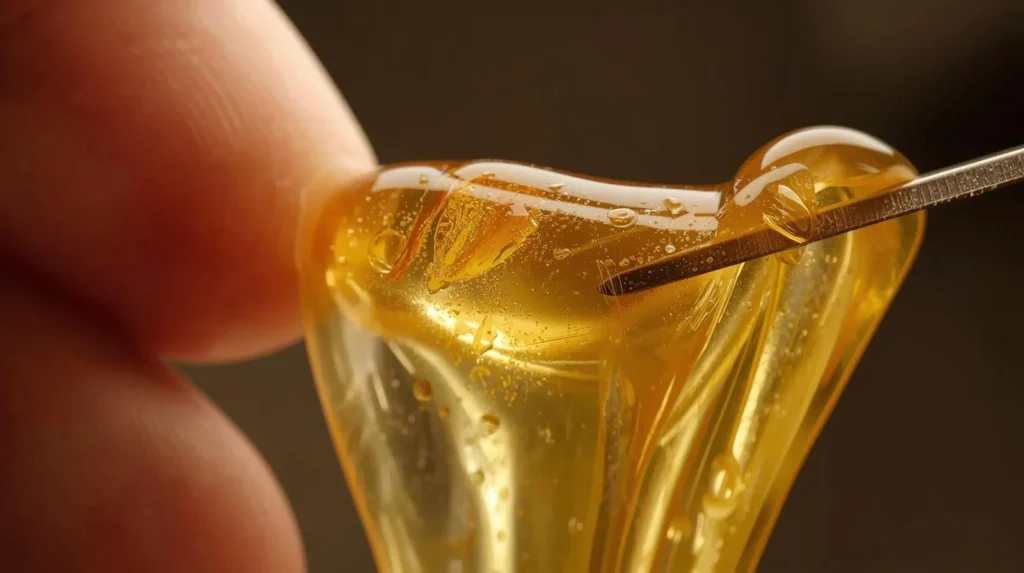
Testing small amounts before full application prevents waste and ensures optimal results. A properly prepared batch will maintain its consistency for several uses when stored correctly, making this natural hair removal method both economical and effective for multiple treatments.
Using Sugar Wax for Hair Removal
Applying sugar wax for hair removal requires proper technique to achieve smooth, effective results. Begin by ensuring your skin is clean and completely dry, as moisture can prevent the wax from adhering properly.
Heat the sugar wax until it reaches a workable consistency—warm enough to spread easily but not so hot that it burns your skin.
The sugar waxing how-to process involves applying the wax in the direction of hair growth using a spatula or your hands. Spread a thin, even layer over the treatment area, then immediately place a cloth strip over the wax, pressing firmly to ensure good adhesion.
The key difference from traditional waxing lies in the removal technique: pull the strip in the direction of hair growth rather than against it, which reduces skin irritation and ingrown hairs.
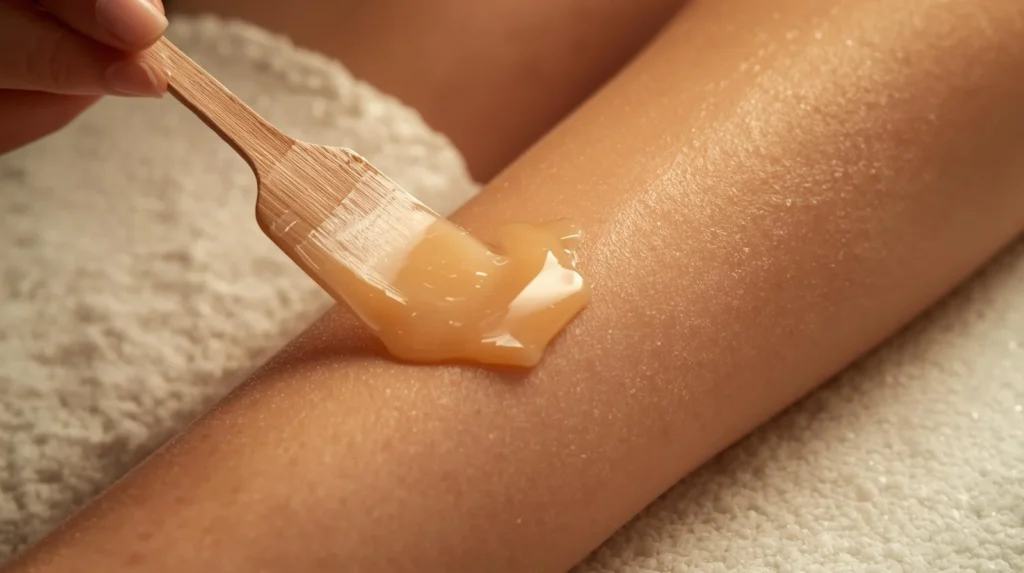
Work in small sections for better control, and avoid applying sugar wax over the same area repeatedly during one session. The natural composition makes sugar wax gentler than conventional waxes, but proper application technique remains crucial for both effectiveness and comfort. Allow each treated area to cool before moving to the next section.
Common Mistakes to Avoid
Several critical errors can derail your sugar wax recipe and lead to frustrating results. The most frequent mistake involves incorrect cooking temperature—heating the mixture too quickly or to excessive temperatures creates a brittle, unworkable texture.
Homemade wax preparation requires careful temperature control to achieve the proper consistency.
Another common pitfall is imprecise measurements, particularly when scaling recipes. Many beginners struggle with converting measurements, making a sugar wax recipe in ml essential for accuracy.
Using 240ml water, 480ml sugar, and 60ml lemon juice provides precise ratios that eliminate guesswork.
Timing errors also sabotage results—removing the mixture too early leaves it sticky and ineffective, while overcooking creates a hard candy that won’t spread properly. Proper technique requires patience during the cooling process to prevent burns and ensure workable consistency.
Environmental factors compound these issues. High humidity affects sugar crystallization, while applying wax to damp skin reduces adhesion significantly. Testing consistency with a small amount prevents wasting entire batches when adjustments are needed.
While these mistakes are common, some situations require different hair removal approaches entirely.
When Sugar Wax Isn’t the Right Choice
While sugar wax offers numerous benefits, certain situations call for alternative hair removal methods. Coarse, thick hair on areas like the bikini line or underarms may require multiple passes with sugar wax, making professional waxing or other methods more efficient.
The gentle nature that makes sugar wax ideal for sensitive skin can work against it when dealing with stubborn hair growth.
Time constraints present another limitation. A proper sugar wax recipe with strips requires careful preparation, cooling time, and methodical application—often taking 45-60 minutes for full-body treatment.
Those seeking quick touch-ups before events may find shaving or depilatory creams more practical.
Individuals with diabetes or circulation issues should exercise caution, as even natural sugar-based products can affect blood sugar levels when absorbed through skin during extended application periods.
Additionally, those with extremely sensitive skin conditions like eczema or active dermatitis may experience irritation despite sugar wax’s gentler formula.
Technique mastery requires patience and practice. Unlike strip wax where technique variations are more forgiving, sugar wax demands precise temperature control and application angles.
First-time users often struggle with consistency, leading to incomplete hair removal or skin irritation. These factors help determine when exploring professional services or alternative methods becomes the more practical choice.
Frequently Asked Questions About Sugar Waxing
Can I use sugar wax without strips?
Yes, a sugar wax recipe no strips technique, known as “flicking,” allows you to remove hair using just the sugar paste itself. This method involves applying the warm paste against hair growth, then quickly flicking it off in the direction of hair growth using your fingers. The paste acts as both the adhesive and removal tool, making it particularly effective for sensitive areas where fabric strips might cause additional irritation.
How long should hair be before sugar waxing?
Hair should be approximately ¼ inch (6mm) long for optimal results. Hair that’s too short won’t adhere properly to the paste, while hair that’s too long can make the removal process more painful and less effective.
Is sugar waxing safe for sensitive skin?
According to dermatological research, sugar wax is generally gentler than traditional waxes because it doesn’t adhere to live skin cells. However, individuals with diabetes should consult their healthcare provider before use, as sugar absorption through micro-tears could potentially affect blood glucose levels.
How long do sugar waxing results last?
Results typically last 3-6 weeks, depending on individual hair growth cycles and the area treated. Regular sugar waxing can lead to progressively finer hair regrowth over time.
Key Takeaways
Creating effective sugar wax for hair removal at home requires just three simple ingredients: sugar, water, and lemon juice. The key to success lies in achieving the proper consistency—similar to thick honey—and maintaining the right temperature for safe application.
Essential points to remember:
- Temperature control prevents burns and ensures effective hair removal
- Proper storage in airtight containers extends shelf life up to six months
- Skin preparation with exfoliation and cleansing maximizes results
- Hair length between ¼ to ½ inch provides optimal removal effectiveness
Sugar waxing offers a natural alternative to commercial hair removal products, with benefits including reduced irritation, biodegradable ingredients, and cost-effectiveness.
However, it requires patience to master the technique and may not suit everyone’s hair type or skin sensitivity.
Whether you choose the stovetop or microwave method, consistent practice will improve your results. Start with less sensitive areas to build confidence before tackling more delicate zones.
With proper technique and safety precautions, homemade sugar wax can provide smooth, long-lasting hair removal results at a fraction of salon costs.


Sugar Wax Recipe
- Total Time: 20 minutes
- Yield: 3 1x
Ingredients
- 2 cups granulated white sugar
- 1/4 cup fresh lemon juice
- 1/4 cup water
Instructions
-
Add the ingredients
Pour 2 cups of granulated sugar, ¼ cup fresh lemon juice, and ¼ cup water into a heavy-bottom saucepan. -
Heat and stir
Place the pan over medium heat and stir continuously until the sugar fully dissolves into the liquid. -
Cook gently
Lower the heat to medium-low and let the mixture simmer. Keep stirring occasionally until it turns a golden amber color, similar to honey. -
Check consistency
Drop a small amount of the mixture into cold water. If it forms a soft, flexible ball, the sugar wax is ready. -
Remove and cool
Take the saucepan off the heat and allow the wax to cool for 10–15 minutes until warm but safe to touch. -
Test before use
Stretch a small amount between your fingers or with a spatula. The wax should be smooth, stretchy, and not runny. -
Ready to apply
Once the texture feels right, your homemade sugar wax is ready for hair removal.
- Prep Time: 5
- Cook Time: 15
I personally try it. What a good recipe it is!
Good Recipe!